Autonomous Inspection for Chemicals.
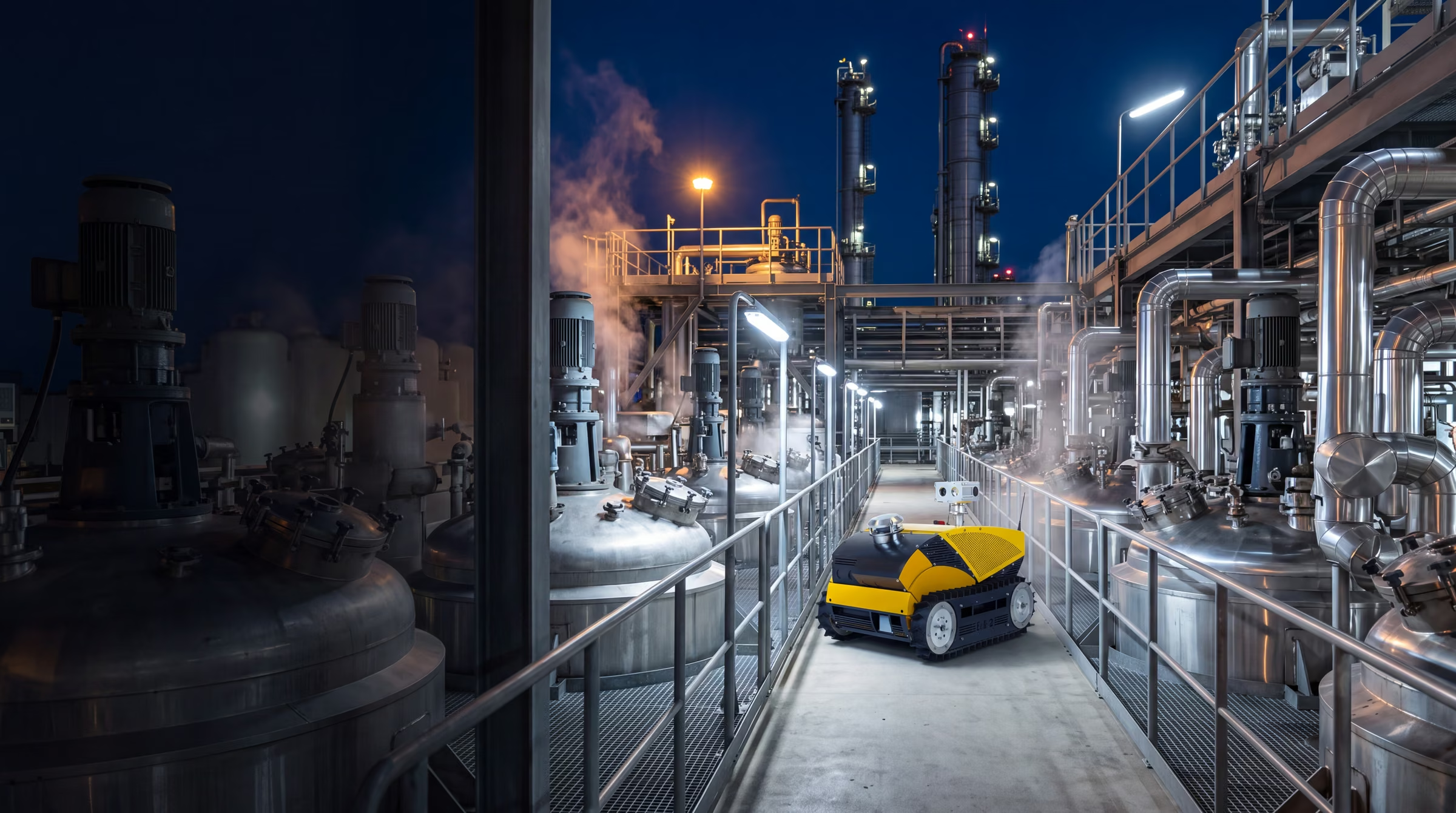
Frequent, consistent inspection of complex processing environments. Robots and drones run inspection missions through your process units, checking for gas, reading instruments, and spotting thermal anomalies, while your people stay clear of toxic, corrosive, and reactive hazards.
A chemical facility is a dense web of interconnected processes, where a single deviation rarely stays contained. A leaking flange, a pressure gauge creeping out of range, a reactor temperature drifting toward its limit: each can cascade into a process upset, an unplanned shutdown, or a release of something toxic. The cost of missing one is measured not only in lost production, but in safety and environmental consequences.
Yet the usual answer, sending people to walk the plant at intervals, is both too slow and too dangerous. Manual rounds can't inspect a complex process often enough to catch these early signals, and every round exposes people to toxic, corrosive, and reactive environments.
Korial resolves that tension. One platform directs robots and drones from any supported manufacturer through your process units, inspects far more often than manual rounds allow, and brings every finding into one trusted record, ready to flow into the maintenance systems your teams already use.

Korial is already running autonomous inspection at live chemical sites. At a European chemicals and gas-compression site in ATEX Zone 1, one in three manual rounds has been eliminated. At another chemicals site, inspection rounds per shift have fallen from six to one, with coverage running around the clock and drones inspecting towers that are hard to reach safely.
In the field, AI skills analyze every gas reading, thermal image, and instrument as it's captured. When a reading crosses a limit, operators get a severity-ranked alert with the image and data behind it, so the most serious issues get addressed first, before a process trips.
Because the intelligence sits in the platform rather than the hardware, you can run robots and drones from different manufacturers to one consistent, auditable inspection standard. Missions are built and proven in simulation before deployment, so less time is spent correcting them inside hazardous units.
The result is inspection that runs to the same standard on every round, with people moved away from the most dangerous work and toward the decisions that keep the process safe and running.

“Inspect the whole process. Keep your people out of it.”


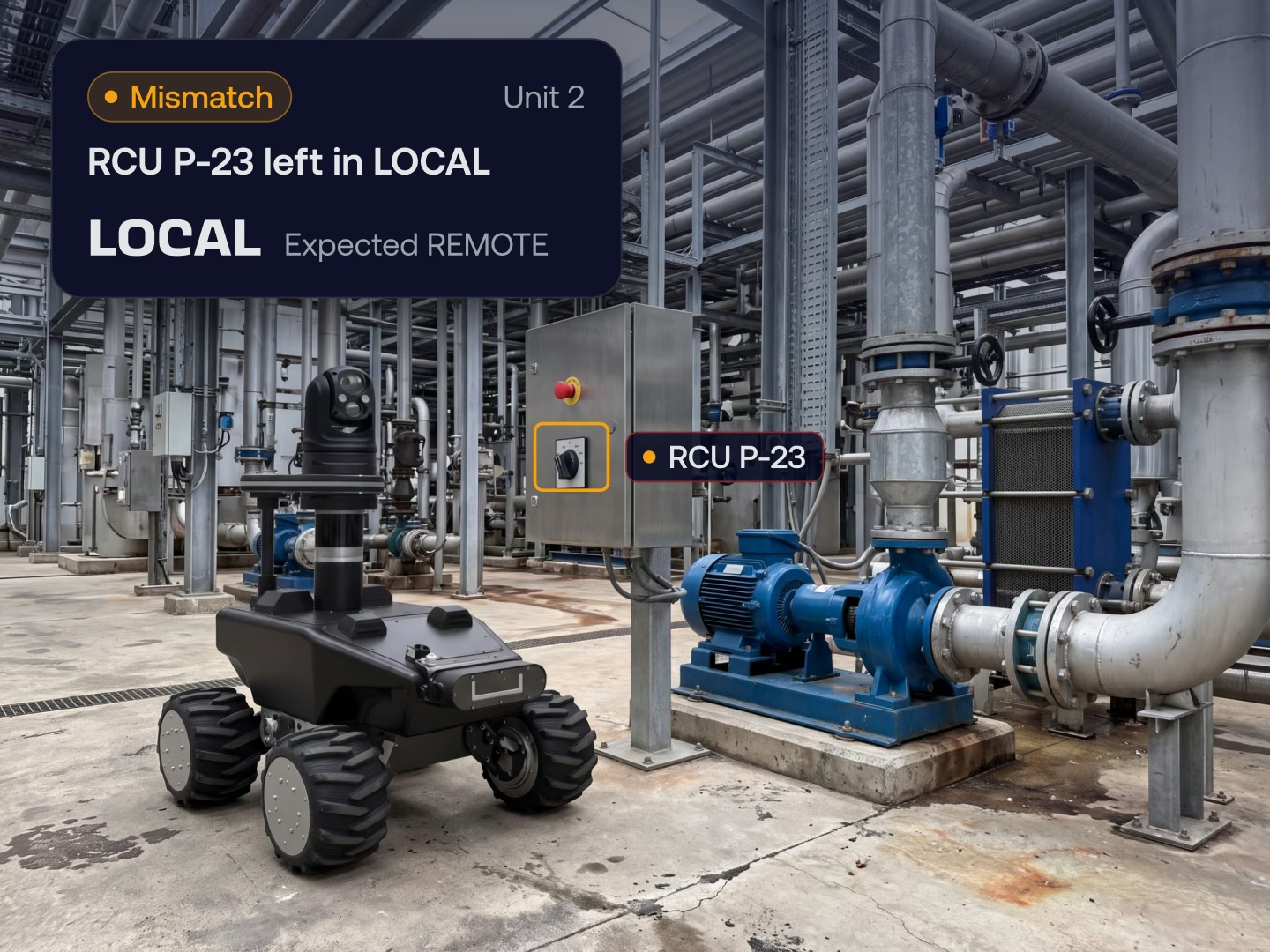
When robots and drones take on hazardous process rounds, the results show up where they matter: in fewer people exposed and savings reported at live chemical sites.
$1.1M
83%
8h
Korial is proven in the field with deployments across some of the largest and most complex chemical facilities worldwide.
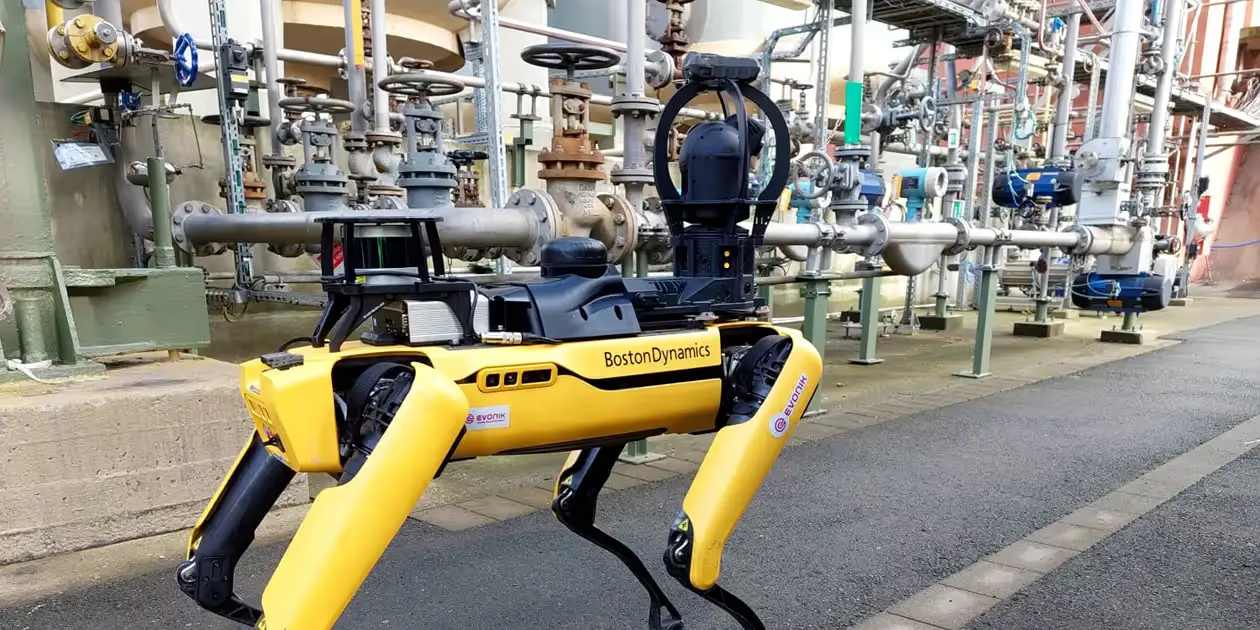

At Evonik, Korial delivers a continuous, high‑quality asset condition dataset, so engineers spend less time on routine rounds and more time improving process performance and reliability.
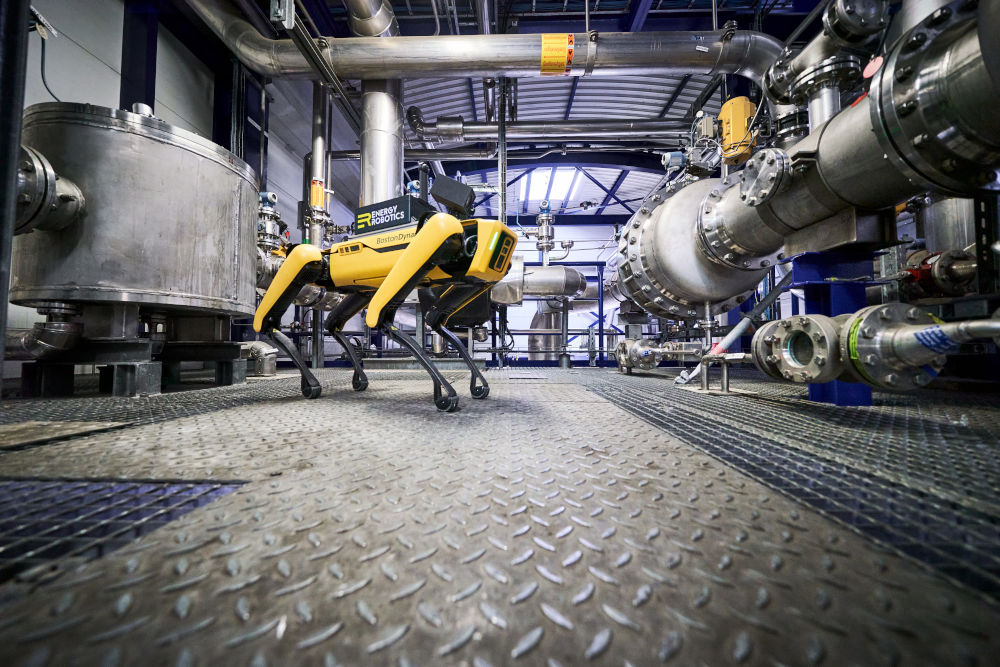
Merck, one of Europe's first adopters of Boston Dynamics Spot for industrial inspection, needed to replace manual monitoring of its maintenance-intensive thermal exhaust treatment facilities.
Ready to transform your operations?
Join leading enterprise organisations leveraging Korial to achieve operational autonomy.