Autonomous Inspection for Energy & Utilities.
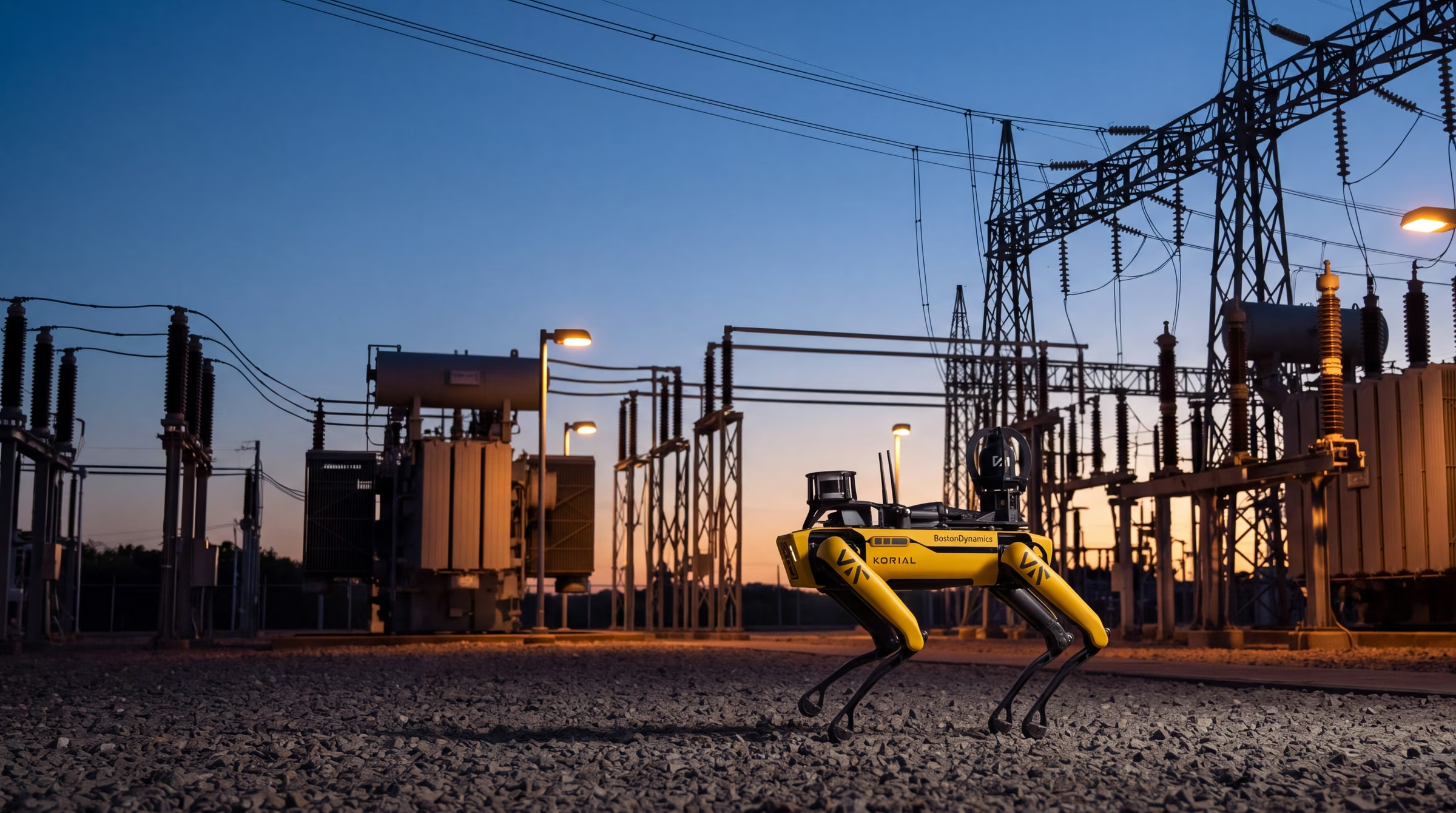
Regular condition monitoring and remote visibility across vast, dispersed networks of energy assets. Robots and drones run inspection missions across your substations, plants, and renewable sites, capturing thermal and visual data and reading gauges, while one team sees the condition of every asset in one place.
A modern utility runs assets across a footprint measured in regions, not sites: substations, generation plants, and renewable installations, much of it decades old and all of it critical to keeping the lights on. Inspecting that network by hand means sending skilled crews across long distances into live, high-voltage environments, asset by asset. It doesn't scale, and every visit puts a person near an electrical hazard.
Meanwhile, the assets are aging, the experienced workforce that knows them is retiring, and demand on the grid keeps growing. The gap between what needs inspecting and what can realistically be inspected widens every year, and in that gap, small faults can become outages that affect entire communities.
Korial helps close that gap. One platform directs robots and drones across your sites, applies the same inspection standard everywhere, and brings every finding into one trusted record, ready to flow into the maintenance systems your teams already use.
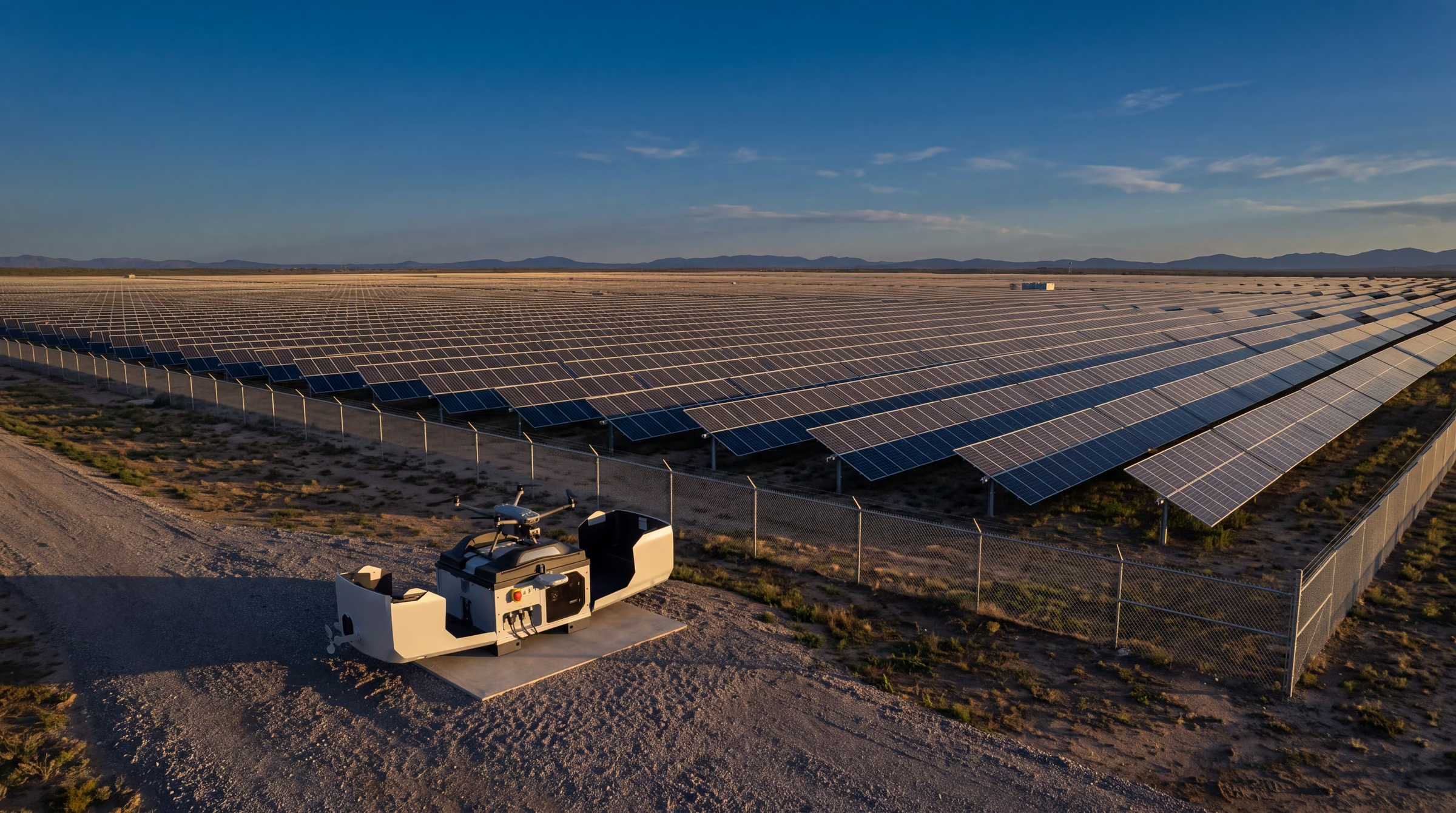
Korial runs autonomous inspection in some of the most demanding industrial environments in the world, including ATEX Zone 1 hazardous areas, with more than a million inspections completed. The same platform brings that capability to the dispersed, high-voltage infrastructure utilities manage.
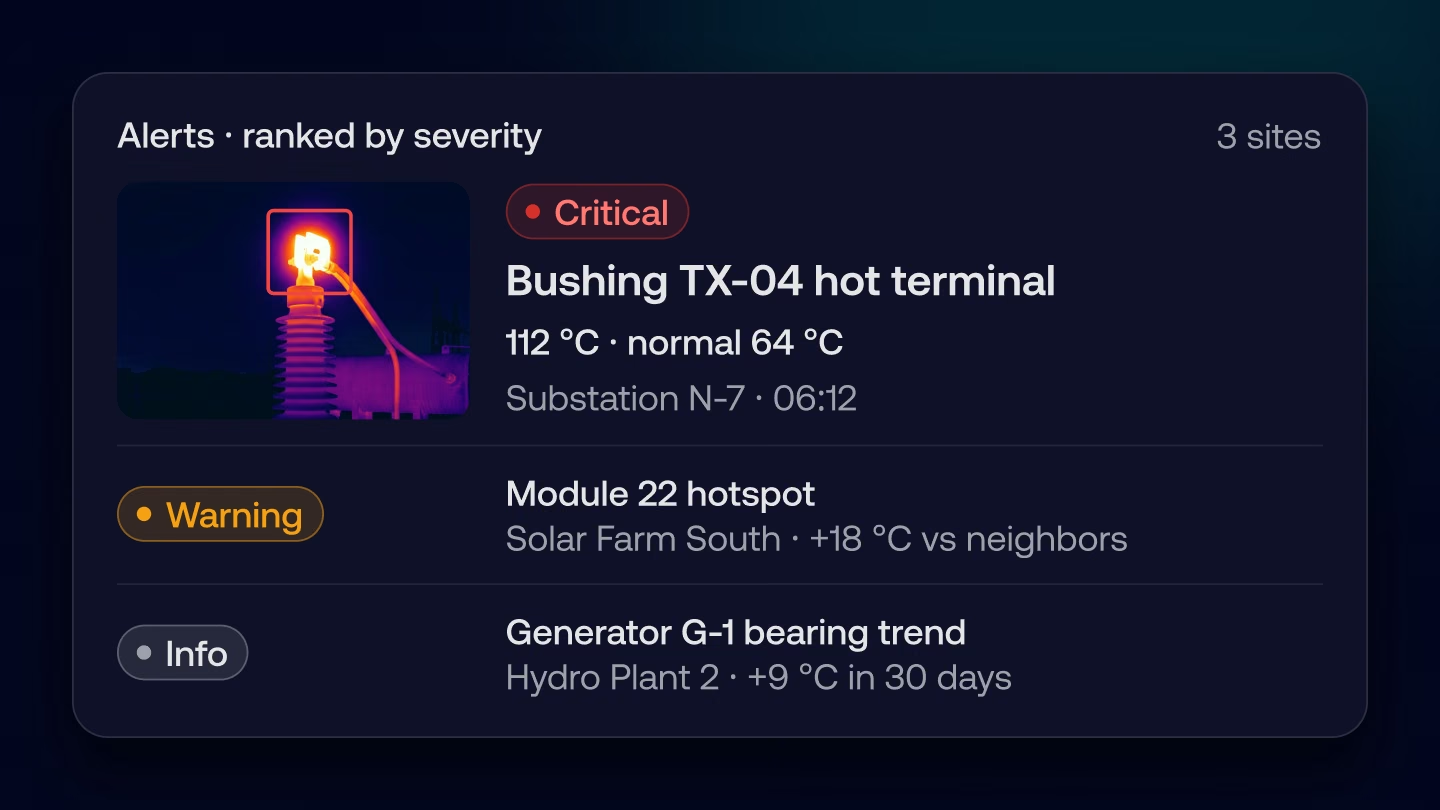
In the field, AI skills analyze every thermal image, read every gauge, and check every reading against its history as it's captured. When something crosses a limit, operators get a severity-ranked alert with the image and data behind it, so crews go where they're actually needed.
Because the intelligence sits in the platform rather than the hardware, you can add robots and drones from different manufacturers without adding another system to manage, and apply one standard across every site you run.
The result is one team overseeing the network from a single view, with fewer crews sent to dangerous, remote locations and more time spent on the decisions that keep the grid reliable.
“Keep the lights on. Keep your crews off the live equipment.”


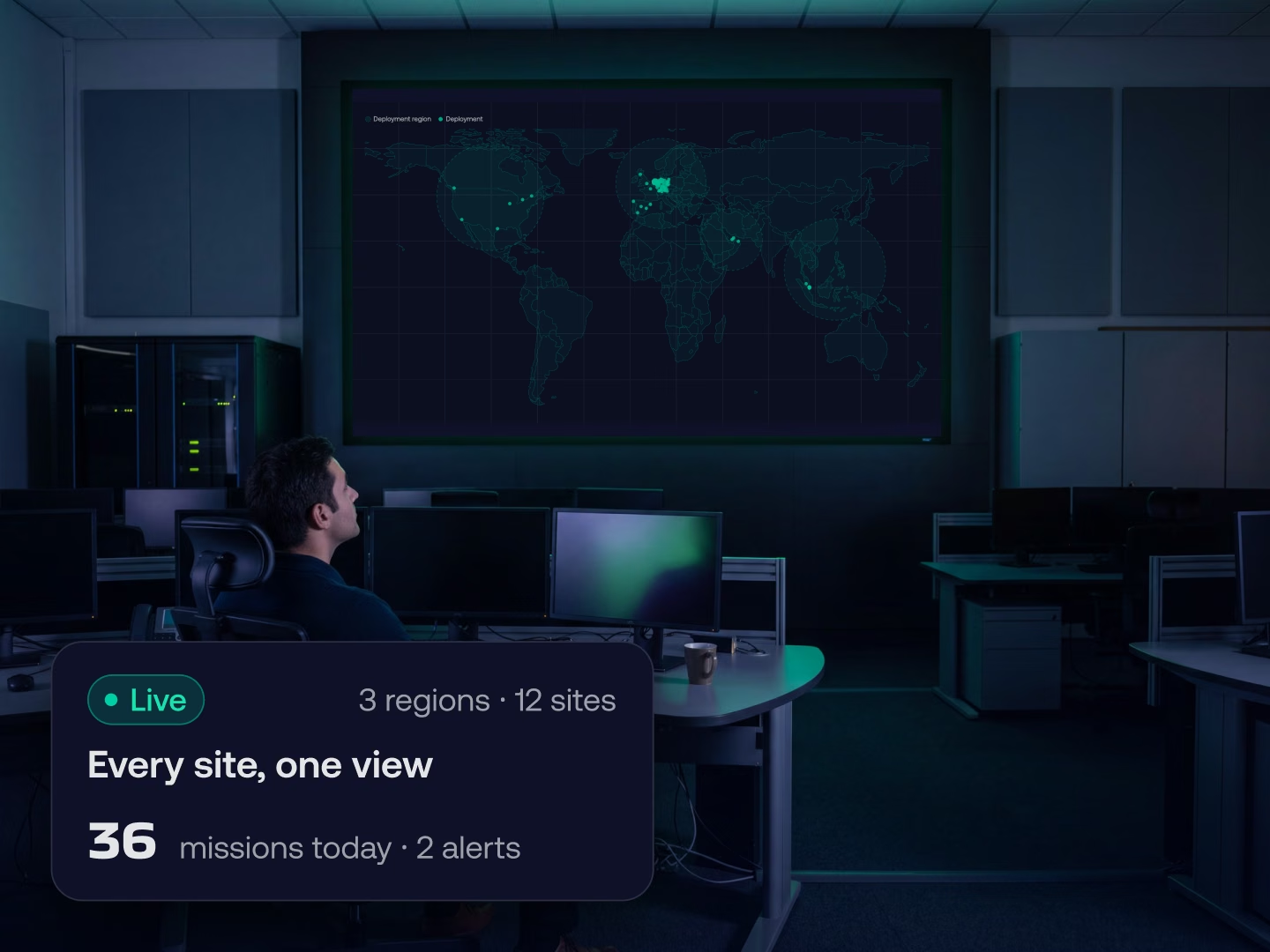
When robots and drones take on routine inspection across the network, the results show up where they matter: in more assets inspected more often and fewer crews sent into harm's way.
1M+
18
100+
Korial is proven in the field with deployments across some of the largest and most complex energy & utilities facilities worldwide.
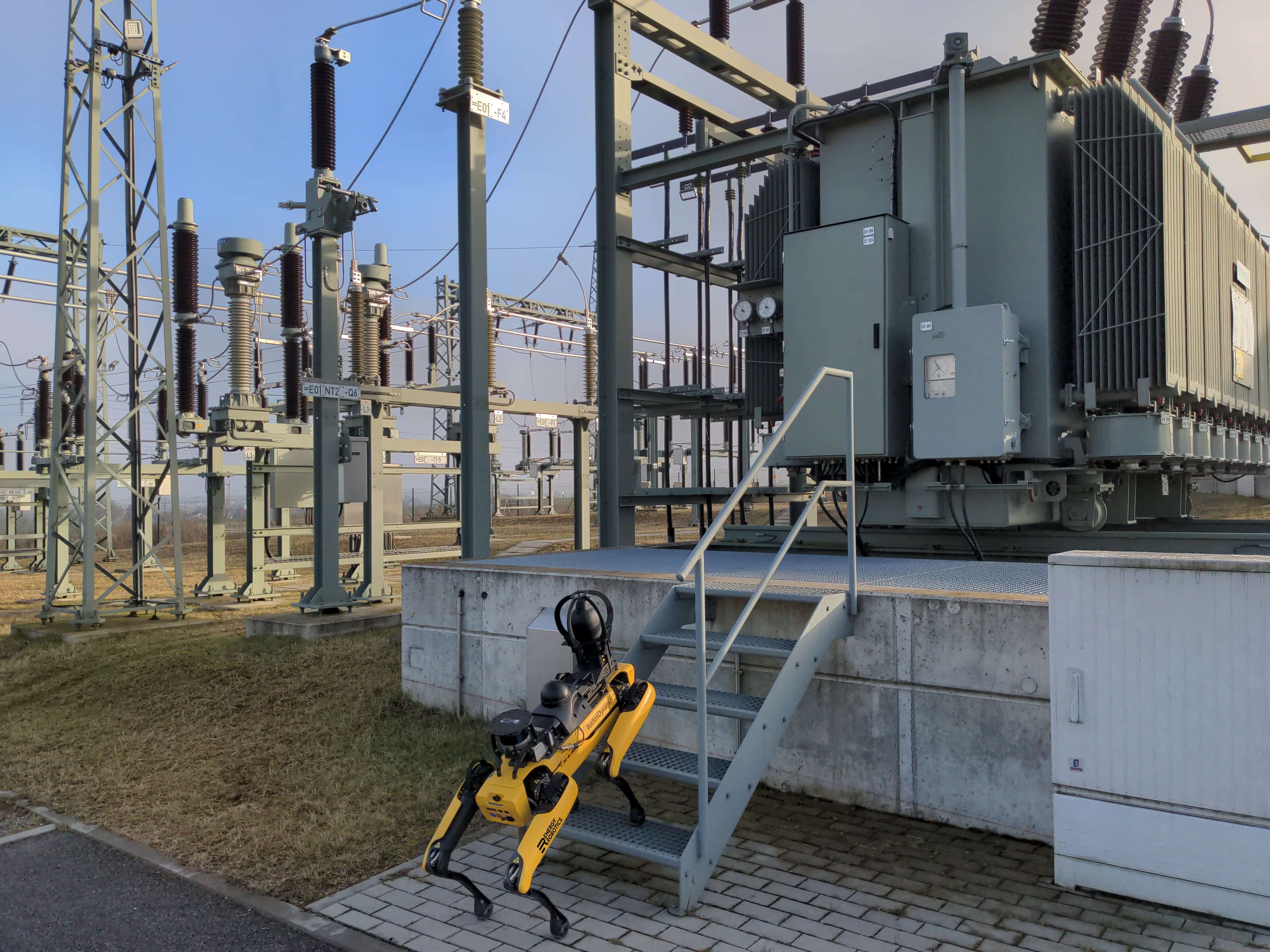

By decoupling intelligence from the underlying hardware, E.ON’s grid operators preserve hardware flexibility while gaining a repeatable blueprint for scaling autonomous inspection as grid renewal accelerates.


illwerke vkw AG needed to replace manual, weather-dependent inspection rounds in an environment where access is difficult, conditions are hazardous, and the cost of missed anomalies is high.
Ready to transform your operations?
Join leading enterprise organisations leveraging Korial to achieve operational autonomy.