Your Drones Collect the Data. Who Controls It?
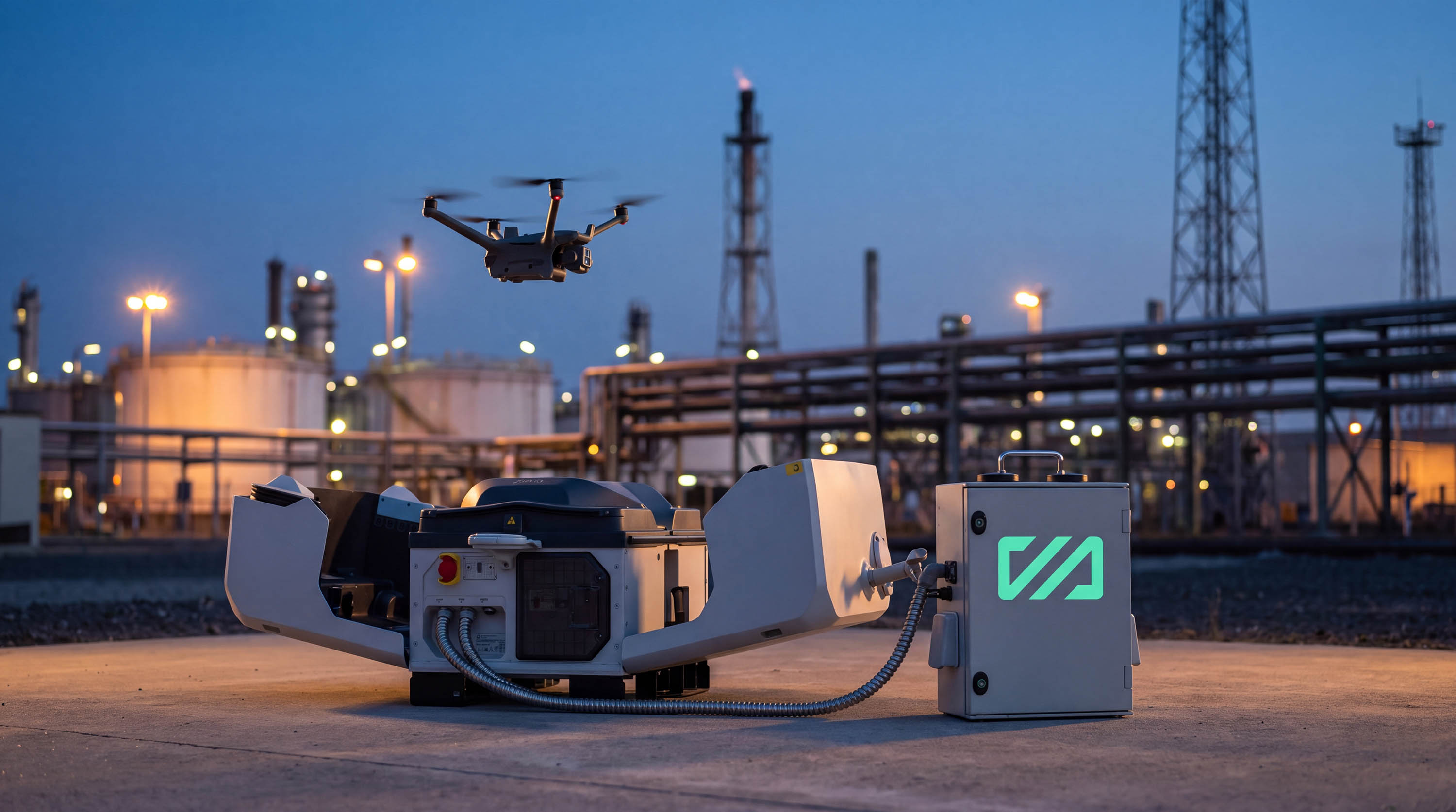
Every day, your drones fly missions on your site. They photograph your equipment, read your gauges, scan for leaks and hot spots.
Then the data leaves.
On many platforms, it travels over the drone's own cellular link into the manufacturer's cloud, often outside Europe, before you ever see it. You get access on the vendor's terms, in the vendor's format, under the vendor's rules. Nobody decided this. It shipped that way.
Europe has changed the rules
Three things every operator should know:
The data is yours to access. Since September 2025, the EU Data Act gives you the right to the data your connected devices generate, free of charge, in real time where technically feasible. That includes the fleet you already own. The obligation to hand it over sits with the manufacturer, wherever in the world they are based.
New drones must be built for it. From 12 September 2026, connected products placed on the EU market must be designed so users can access their data easily and directly.
Lock-in is on the clock. From January 2027, cloud providers can no longer charge you for switching.
There is a catch: a right on paper is not data in your hands. For the drones you already operate, access still runs through the manufacturer's processes and timelines.
And a second law makes this your responsibility, not just theirs. Under NIS2, in force in Germany since December 2025, operators in energy, chemicals, water, and transport must manage the security of their supply chain, including software vendors and clouds. When the auditor asks "where does your drone data go, and who can touch it?", the answer has to come from you. And if people appear in the footage, GDPR makes those data transfers yours to justify, too.
Take control without replacing the fleet
The obvious fix, to buy new drones, is expensive and disruptive, especially when the fleet you have flies perfectly well.
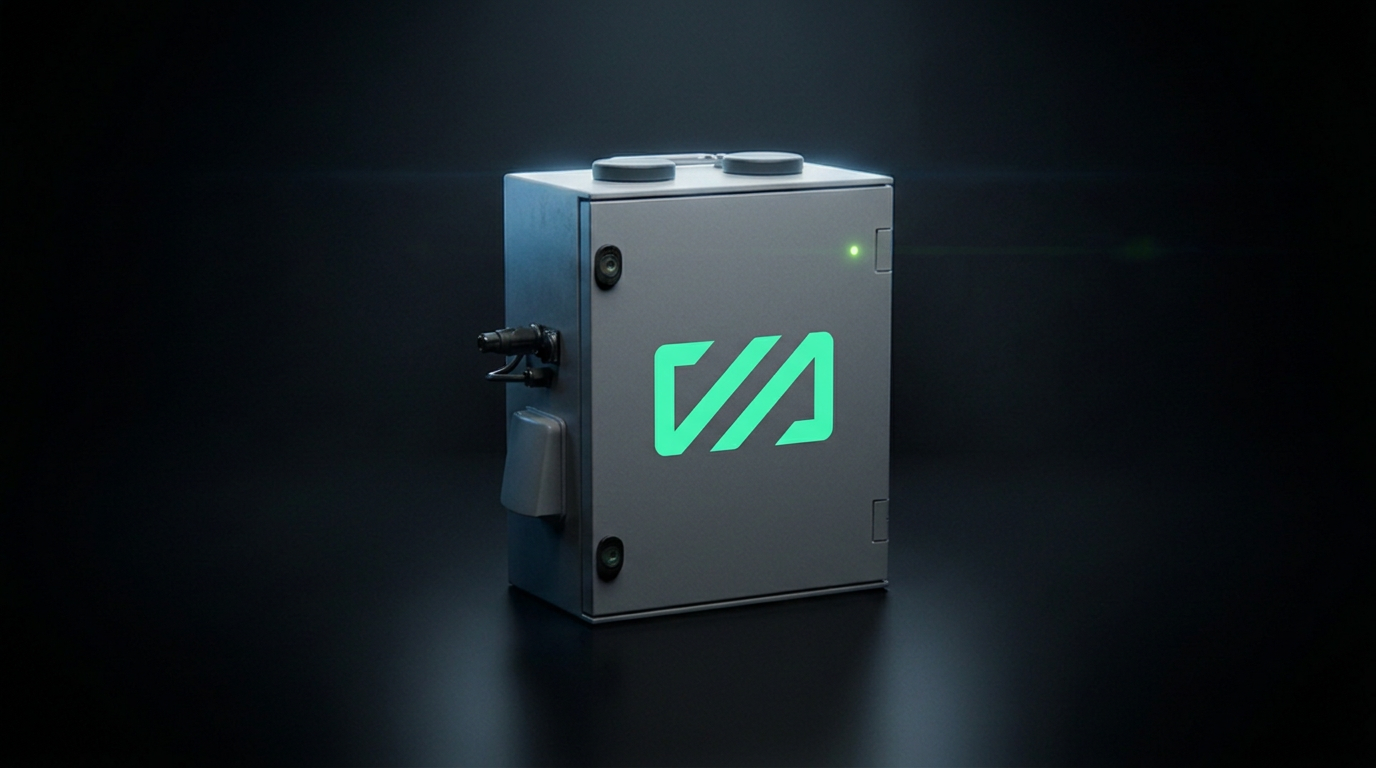
The Korial Drone Connect Box changes one thing instead: where the data goes.
It is a compact unit installed next to your existing drone dock. Instead of letting the aircraft phone home to the manufacturer's cloud, it captures the data at the source and sends it through an encrypted tunnel straight into your Korial environment.
Same drones. Same missions. One difference: the data now moves on infrastructure you control, under rules you set, to a destination you chose with a documented, auditable data path to show for it.
The data starts working for you
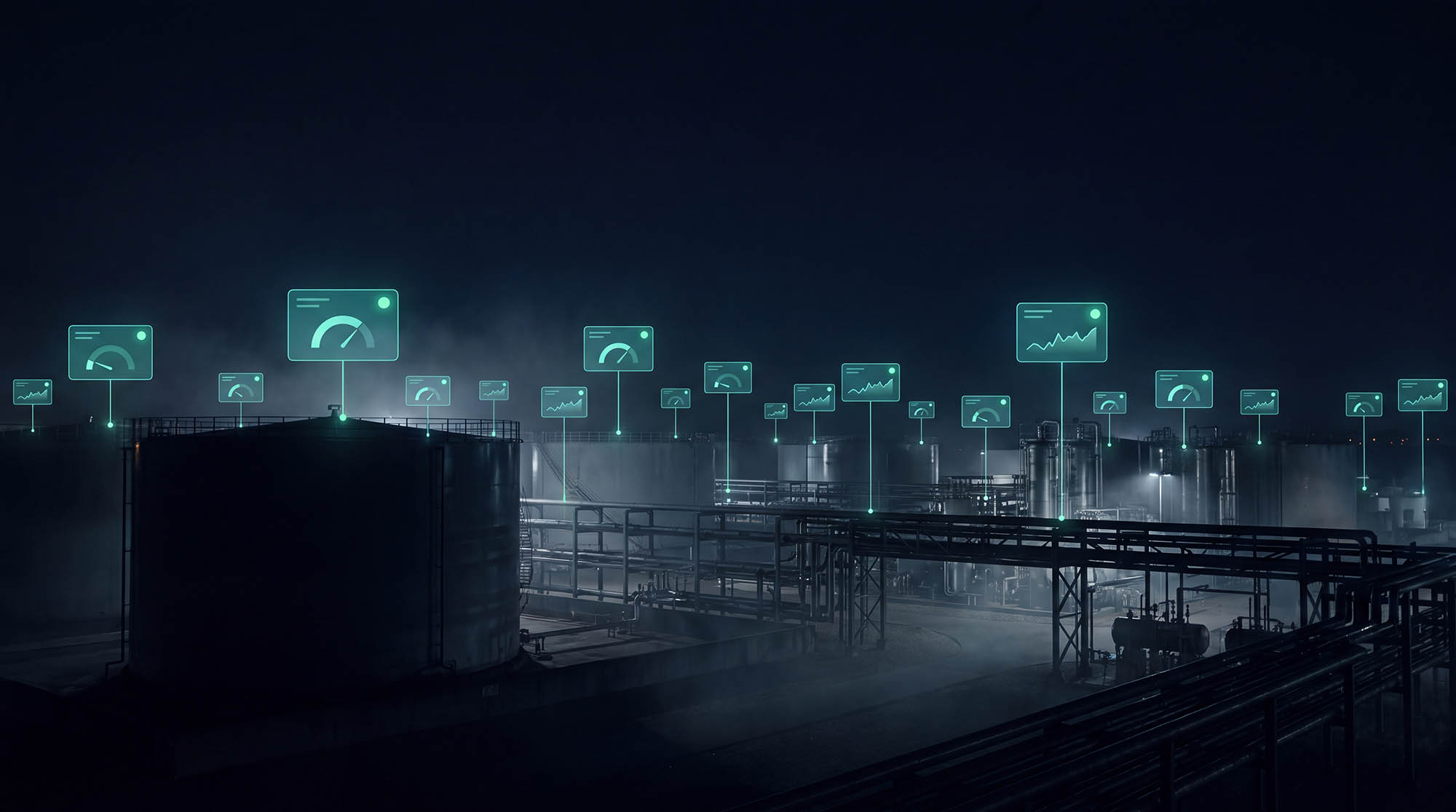
Control is the beginning, not the point. Once the data flows into Korial, our industrial AI turns routine flights into verified operational insight: gauge readings, thermal anomalies, corrosion and leak indicators, changes tracked over time.
A mission stops being a folder of images someone has to review. It becomes a scheduled measurement of your site's condition delivered into the systems your teams already use, from ERP to maintenance planning.
And because Korial is an ISO/IEC 27001-certified vendor, security reviews get shorter, not longer.
The bottom line
You do not need to ground your fleet. You need to decide where its data goes. The operators who make that decision deliberately will walk into their next audit with the answers already in place.
Korial Drone Connect Box. European data sovereignty for the fleet already in operation. Learn more.
Related posts
More Perspectives from Korial
Your Drones Collect the Data. Who Controls It?
Every day your drones photograph your equipment, read your gauges, and scan for leaks. On many platforms, that data travels into the manufacturer's cloud, often outside Europe, before you ever see it. Since September 2025, European law says the data is yours. Here's how to take control of the path it travels, without replacing the fleet you already operate.

The Software Architecture Required to Scale Autonomous Operations
How a unified intelligence layer turns fragmented field-autonomy trials into a single, scalable enterprise estate.

The Crucial Role of Inspections in the Oil and Gas Industry
Reliable daily inspections are critical for safe and efficient operations in the oil and gas industry. This article covers the various inspection methods ensuring smooth operations

A Guide to Choosing the Ideal Inspection Robot for Your Facility
Looking for the perfect robot to streamline your operations? Our comprehensive guide helps you choose the ideal robot for your use case.

Industrial Gas Leak Detection: Definition, Types & Detection
Learn why detection of industrial gas leaks is critical to safety, the environment and efficient operations, and the best leak detection methods for different gases.

Turnaround Time (TAT) : A Comprehensive Guide
This guide about turnaround time (TAT) explains its impact across different industries and how to reduce it with different technologies such as autonomous robots and drones.
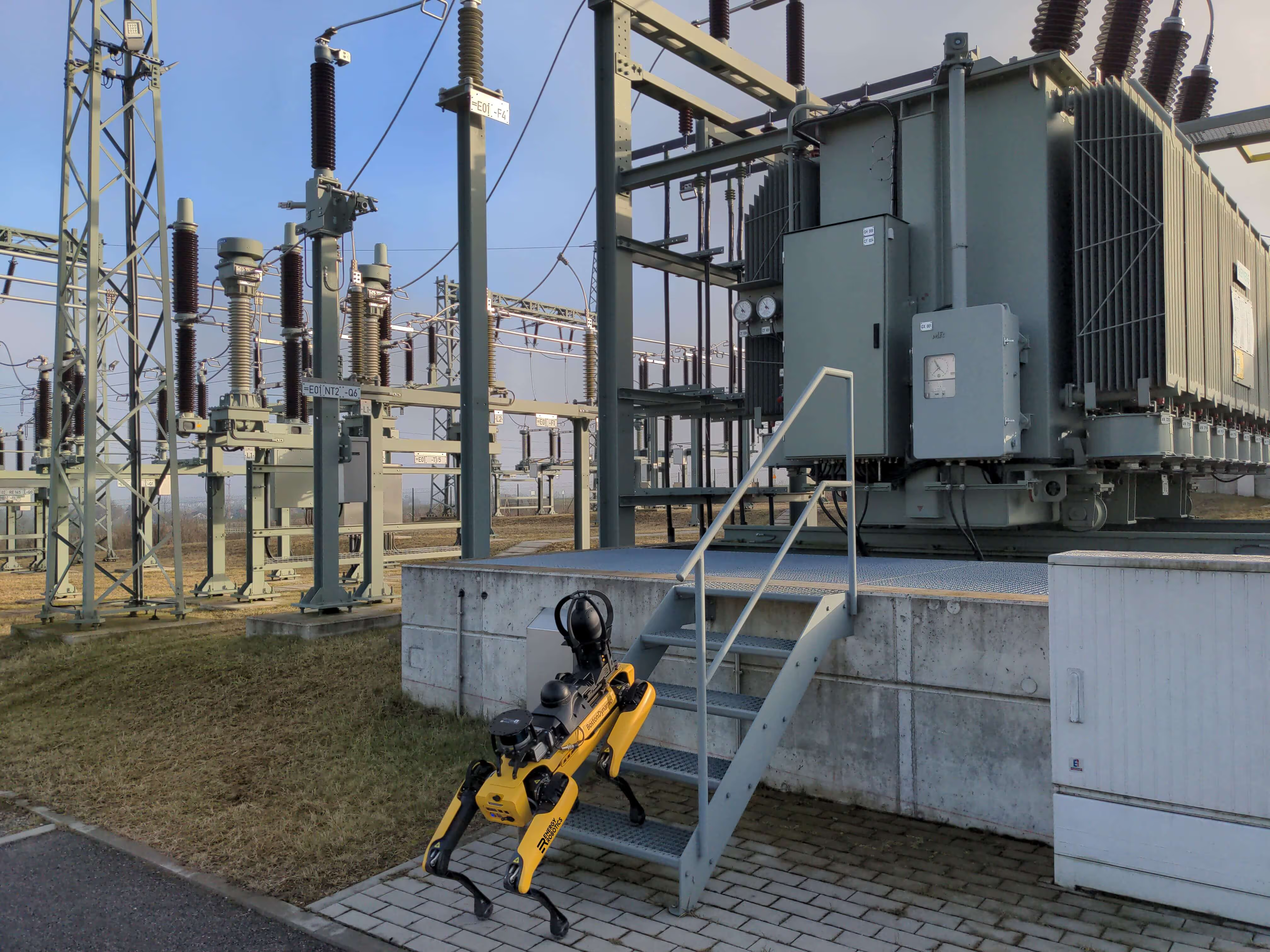
On-Demand Inspection Rounds: Revolutionizing Industrial Plant Inspections
Learn how operators are now only called into action under exceptional situations, while robots and drones perform multiple daily inspection rounds with no human intervention.

Automate Tank Roof Inspections with Advanced Industrial AI
Korial offers an automated drone inspection solution for tank roofs, reducing manual work and improving safety with AI-driven data analysis.
Ready to transform your operations?
Join leading enterprise organisations leveraging Korial to achieve operational autonomy.